
In the West Sussex countryside stands one of the most special open–air museums in the UK–Hollycombe Steam Collection. It tells the story about how steam power changed daily life, travel, and work in Victorian times. Visitors can walk, hear, and feel the machines that once shaped the world.
What Is the Hollycombe Steam Collection?
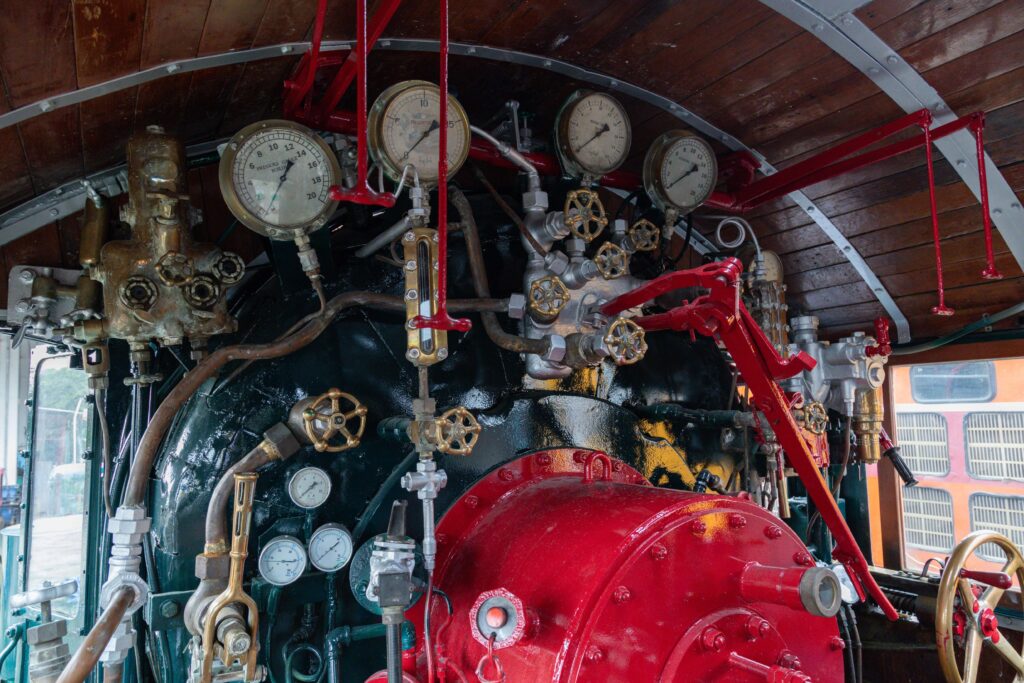
Hollycombe Steam Collection is a large museum area showing how steam technology worked in the 19th and early 20th centuries. It was created by a man named John Baldock, who started to collect and restore old steam engines after World War II. He wanted people not just to see them but to understand how they moved, puffed, and powered different parts of life.
Now, the collection includes traction engines, steam rollers, fairground rides, farm tools, and sawmills–all running by steam. Every part is made to show how people lived and worked in the age before electricity and diesel.
Visitors can walk through open air and see machines breathing smoke again. The idea is not to keep them behind glass but to show them alive, noisy, and full of movement.
Interesting facts about the museum’s background:
- The first engine in the collection was bought in 1947 and restored by hand.
- Most engines come from farms or small local industries.
- All restoration work is done by volunteers using original tools.
- The museum is open only on some weekends to save the machines from overuse.
The Steam Fairground
One of the most famous parts of Hollycombe is the steam fairground. It looks like an old traveling fair from the 1900s, with all rides powered by steam engines. There is a gallopers carousel, a switchback railway and a big roundabout with wooden horses. When machines start to move, visitors can hear the whistle of the engine and smell the coal burning.
While adults appreciate the detailed decoration and lights powered by the same steam engines, children often enjoy the rides. The fairground is not only fun–it is a live example of how early entertainment was made possible by industrial invention.
Walking through the fairground feels like going inside an old photo where everything suddenly starts to move again.
The Farm and Sawmill Area
Another fascinating place is the farm and sawmill section. Old machines show how steam helped farmers to cut wood, thresh grain, and transport goods. Before tractors and petrol engines, steam traction engines were the main help for heavy work.
The sawmill still works today. Big circular saws are powered by steam boilers. Visitors can see how trees become planks–slow, noisy, and full of smoke. It is a strong picture of early industry, where everything was made by hands and machines working together.
What visitors can usually observe here:
- The process of loading wood logs and cutting them step by step.
- The rhythm of pistons moving under heavy pressure.
- The use of water to cool and clean the machines.
- Workers wearing safety gloves and old–style clothing for realism.
This area is very popular for school trips, as it shows real working energy–not videos or models. Children often draw sketches or write about what they saw for school projects.
The Railways at Hollycombe
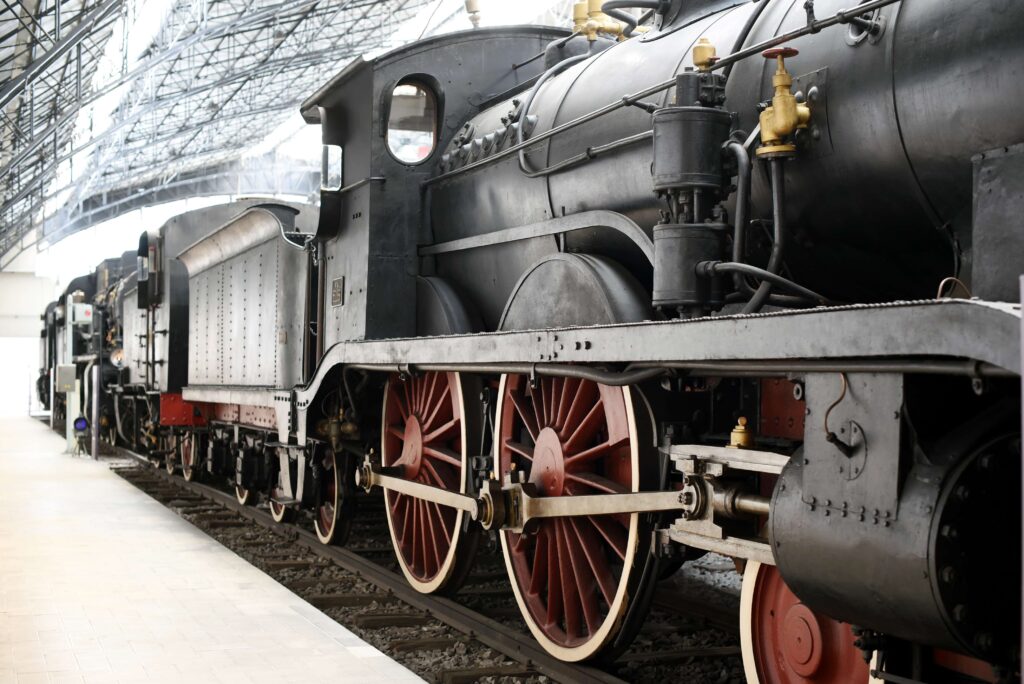
Steam trains are another part that makes Hollycombe alive. There is a narrow–gauge railway that goes around the hill, showing nice countryside views and old–style engineering. When the small engine starts to move, smoke goes in the air, and people can feel what travel was like one hundred years ago.
The small train is not only for fun–it helps to explain how steam made transport faster and changed people’s lives. In Victorian times, trains were the main way to move goods and workers between towns. Hollycombe keeps this memory real for everyone who visits.
Each ride is short, around fifteen minutes, but full of small details. Visitors say it feels like going back in time, when speed was slower and people had time to look around.
The Steam Workshop and Volunteers
Behind all engines and rides, there is a small workshop where everything is repaired. Tools, gears, and small metal parts fill the workshop, ready for their next use. Volunteers spend weekends there fixing valves, painting wood, or cleaning boilers. They do not get paid–they work because they love history and machines.
Main tasks done by volunteers in the workshop:
- Regular oiling and pressure checking of boilers.
- Replacing old iron bolts and safety valves.
- Painting wooden panels and restoring brass parts.
- Explaining to visitors how steam energy really works.
Visitors can watch this process and talk to people who know every small part of these machines. It helps to understand that keeping history alive is not only about looking–it is about doing.
Why Hollycombe Matters Today
Even if the world is digital now, places like Hollycombe stay important. They teach how power and machines were born and how people learned to use them with care. The collection is not just a museum–it is living history, where everything still works.
Volunteers take care of the engines. They clean, repair, and sometimes rebuild the parts by hand. Children can ask questions, and adults can remember the machines from their childhood or grandparents’ time.
Hollycombe helps visitors understand:
- How technology developed from steam to electricity.
- How daily life changed in villages during industrial years.
- Why it is important to save old machines for future learning.
- How teamwork and passion can keep history alive.
The sound of the engines, the smell of coal, and the look of brass and wood–all together create a strong picture of human progress.
Hollycombe Steam Collection is not just about machines. It is about people, work, and memory that still breathe through steam and fire.
Every wheel turning there reminds us that the past is not gone–it still moves, slowly, with the rhythm of old steam.