
On the top of a gentle Oxfordshire hill lies Brill, a small English village known for its windmill and peaceful countryside path. The Brill and Boarstall circular walk is about five miles long and shows fields, old woods and quiet roads. It is a perfect place for slow steps, fresh air, and time away from the noise.
The Landscape and Village Charm
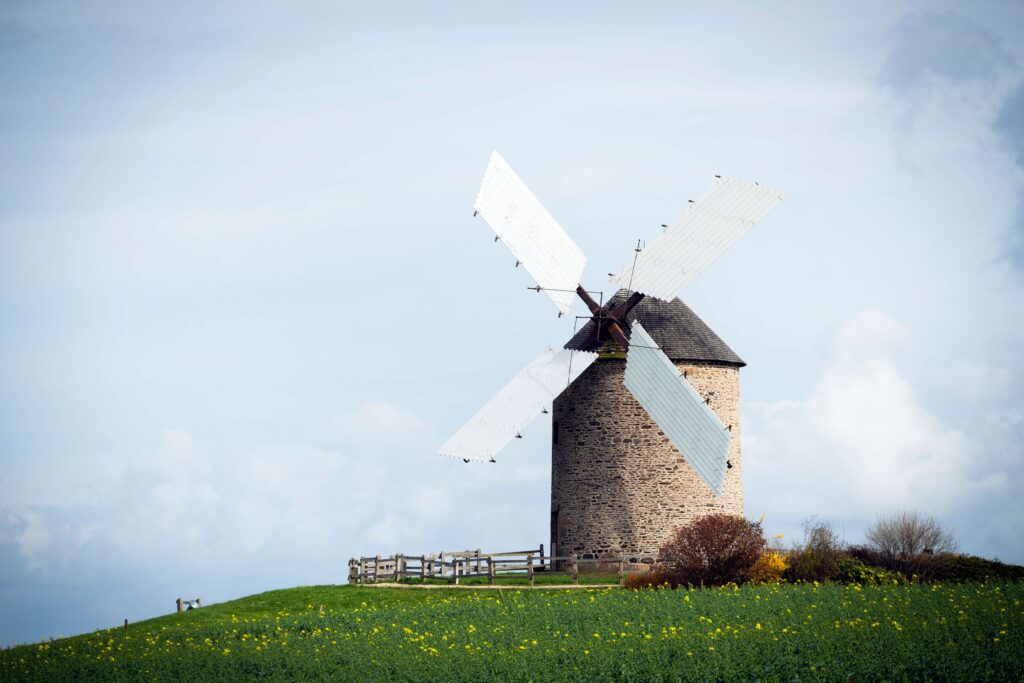
Brill is one of the oldest towns in Buckinghamshire. It is on a hill and has views that go on for miles. The windmill looks like a sign from another time, and the air smells like grass and wood smoke. The walk starts near the village green, where small cottages and stone walls tell stories from centuries ago.
The path goes down soft hills, past sheep fields and hedges. There is no rush–people come here to see, not to hurry. The soil is red in places, full of iron, and it makes the ground look warm even when the sky is grey.
Brill feels quiet but alive, a mix of open space and small details–the sound of birds, the steps on gravel, the slow movement of clouds. Locals walk their dogs, and sometimes visitors stop at the pub before or after the walk to rest.
Things that make Brill’s landscape special:
- The 17th–century windmill standing on the top hill.
- Wide green meadows changing color with every season.
- Red clay soil that glows after rain.
- Far–reaching views across Oxfordshire and beyond.
Each element adds to the simple beauty of this place, where countryside meets quiet history.
The Circular Path and Its Route
The Brill circular walk is around five miles and can be finished in two to three hours. It starts near the windmill, then goes down to Boarstall Woods and circles back through small lanes. The route is gentle, but there are short climbs where the wind feels strong and free.
The path is mixed–sometimes dirt, sometimes small stones. After rain, boots are needed, as puddles stay long on clay ground. There are clear signs showing the way, with wooden posts marking turns and gates.
The walk also passes old farms and gardens, giving a glimpse of traditional rural life. People living there wave and smile, and occasionally a horse stands behind the fence watching quietly.
When reaching the lower part near Boarstall, trees close the view, and the sound changes–from open wind to quiet forest. It feels peaceful, green, and a bit mysterious, especially when sunlight breaks through leaves.
Main stops along the Brill circular route:
- Brill Windmill–the main start and viewpoint.
- Red Field Path–where the ground shows its iron color.
- Boarstall Woods–a calm area full of oak and beech trees.
- Hilltop Return Lane – the last climb before coming back to the village.
Each stop gives a new picture of the land–from open hills to closed forest, from the sound of air to the smell of wood.
Nature and Local Life Along the Way
Walking around Brill is not only about moving–it is about looking. Fields are alive with rabbits, small birds, and sometimes deer. In spring, bluebells grow under the trees, and in autumn, mushrooms cover wet ground.
There are sounds all around, like birds singing, the wind turning the mill sails, and dogs barking in the distance. Cows sometimes stand by fences and watch people go by. It doesn’t feel like a show; it feels like real country life.
Locals care for the paths, cleaning signs, and cutting grass. The village group sometimes organizes clean–up walks where children help to collect litter or fix broken gates. This provides a feeling of community, small but warm.
Wildlife often seen around Brill Path:
- Skylarks and robins flying low above fields.
- Brown hares running fast on open hills.
- Deer groups near the edge of Boarstall Woods.
- Butterflies and bees in summer flowers.
Nature and people live here side by side, quietly, as it was for generations.
Brill Windmill and the Story Behind It
At the heart of Brill stands its windmill–one of the oldest post mills in England. People think it was built in the 1680s. A heavy stone base supports the dark wood body of the mill. When the wind blows, the big sails turn slowly, and the whole thing creaks in a way that sounds like it came from a different time.
The windmill worked for well over two hundred years, helping local farmers to grind grain. In the 19th century, small mills like this were the center of village life. It was where farmers came with carts full of wheat and left with flour for baking.
Today, the mill no longer works every day, but volunteers open it for visitors. Inside, wooden gears and stones show how simple but smart early engineering was. Children like to climb the small stairs and look through narrow windows over the fields.
When the sails move, even slowly, it feels like the hill itself wakes up. It is the sound of a past life, strong and soft at the same time. The view from the top near the mill is one of the most beautiful in the region–fields stretching far, soft hills rolling like waves, and sky wide open.
Tips for Walkers and Best Time to Visit
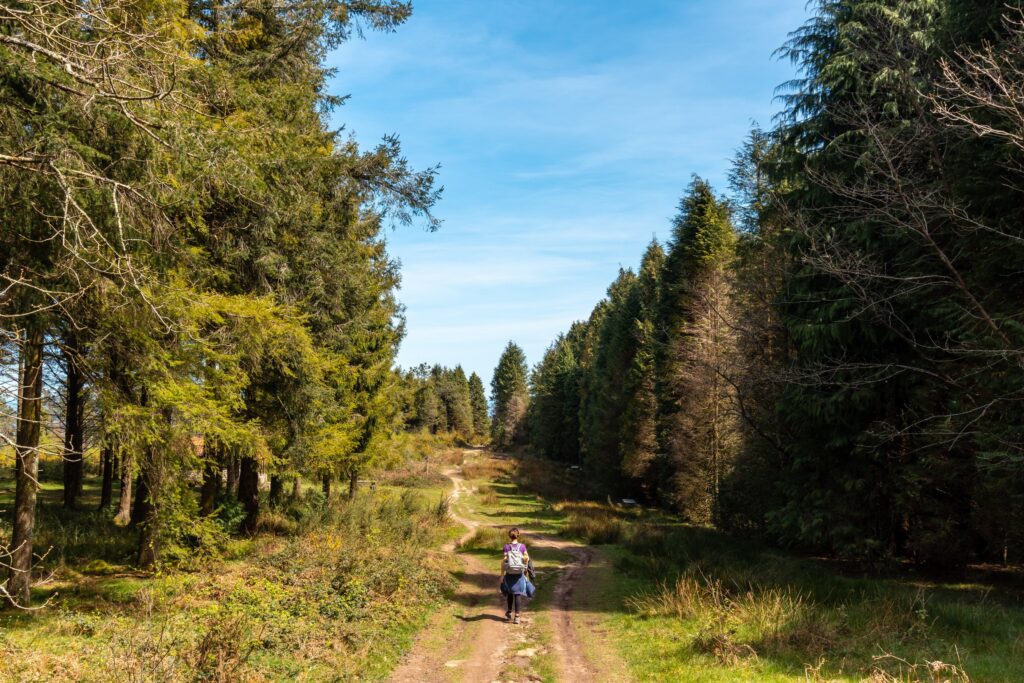
The Brill circular walk can be started at any time of year, but the mood changes with each season. The grass is fresh and flowers grow next to the path in the spring. There are butterflies and warm air in the summer. The path smells like dirt in the fall. and the leaves fall in red and gold. It is quiet in the winter, with the wind blowing through the trees. The views are clear and open.
The best shoes are walking boots or strong trainers, because the ground can become muddy. Carry some water and small snacks; there are benches near the windmill for resting. The walk is not too difficult, so even families with children can do it slowly. Dogs are allowed on a lead, and many locals walk with them.
Photography lovers enjoy this area very much. Light changes fast on top of the hill and every moment looks a bit different. Morning mist around the windmill is often beautiful, especially when the sun begins to rise. The whole valley is covered in sunset colors in the evening. Many people say that just sitting by the windmill and watching the sky change makes them feel calm and even better.
The Spirit of Brill Village
Brill is special not only because of its beautiful scenery, but also because it feels like everything there is connected–people, land, and time. The village is small, but you can see that people care about it everywhere. There are flowers by the doors, old pubs welcome people who walk by, and a local store sells cakes and jam that are made from scratch. It feels warm and welcoming, like life is moving at a slower pace.
People who live here are proud of their windmill. They have small events on the green in the summer, like local music or food fairs. It is not crowded, but visitors feel welcome. The sense of place is strong, and it stays in memory long after leaving.
Walking around Brill provides a lesson about simple joy–walking, watching, and breathing fresh air. The path does not require excitement or a modern show. It gives something more quiet.
Why the Brill Walk Is Worth It
At the end of the circular path, when the road turns back to the windmill, people often stop and look again at the wide view. The same land that looked big and far in the beginning now feels familiar. Every turn, every step has a small story–a tree, a gate, a field.
A quick walk is more than just exercise. It’s a way to connect with the English countryside, history, and simple beauty. The path shows that you can take your time without rushing. It also indicates that people and nature can get along without fighting, but with quiet respect.
Even after they leave, many people remember the soft hills, the smell of wet soil, and the sails turning on the hill. It isn’t a well-known tourist spot, which is what makes it special. When you walk around Brill, it’s like talking softly to the land and hearing it answer back in the wind and silence.