
Transport museums across the United Kingdom show how people learned to move–by road, rail, water, and air. These places collect not only machines but also the stories of invention and courage. From old trams to warplanes, every museum keeps a part of history that changed the modern world.
Where the History of Movement Lives
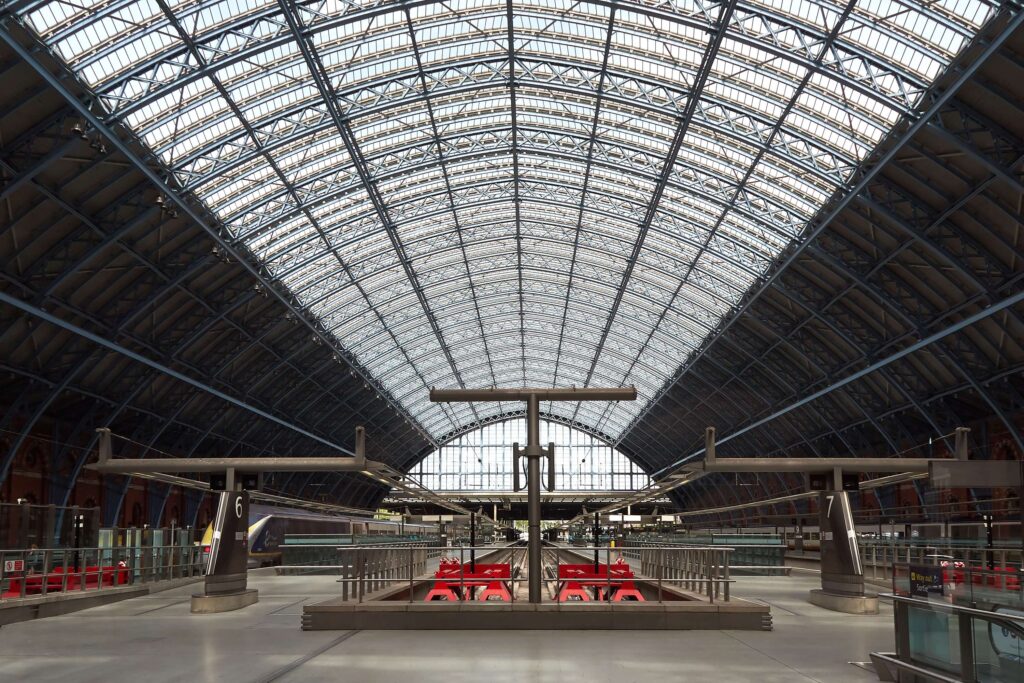
Each region in the UK has its own way to show the age of transport. London, Manchester and Glasgow keep big national collections. Smaller towns protect local workshops and stories of daily travel. Visiting these museums feels like walking through time, from the first steam engines to electric cars.
Some museums stand in old depots, others in modern glass buildings. Inside, the air smells of oil, metal, and sometimes wood polish–reminders of real work. Visitors can touch, climb and even ride machines that once powered industries or connected people.
Most notable transport museums in the UK:
- London Transport Museum–tells how buses, trams, and the Underground grew with the city.
- National Railway Museum–shows enormous locomotives like the Mallard and Flying Scotsman, symbols of British speed.
- British Motor Museum –home to hundreds of classic cars, from Mini to Land Rover prototypes.
- The Transport Museum–a modern building beside the river, full of ships, bicycles, and street displays.
- Fleet Air Arm Museum–celebrates naval aviation with aircraft suspended from the ceiling.
These museums together form a map of innovation. They explain how transport helped build the UK’s culture, trade, and imagination.
Steam Power–The Beginning of Motion
The story of transport in Britain starts with steam. During the 18th and 19th centuries, engineers turned hot water into moving power. Steam locomotives and ships changed everything–goods moved faster, cities grew, and people discovered travel as part of daily life.
At the National Railway Museum, people can stand near big engines. They once pulled thousands of tons. Metal feels alive, like it remembers the vibration of wheels. Children like pressing buttons. Buttons make the sound of a whistle and brake.
In London, the Transport Museum shows how early trams and buses helped millions reach work. The old posters on the wall tell stories of new suburbs, cheap tickets, and how London expanded with rails and roads.
Steam is no longer the main engine today, but it remains the heart of mechanical heritage. Every whistle heard in a preserved train line reminds us how progress began with fire and water.
Roads, Motors, and Modern Dreams
The 20th century brought the motorcar. Factories started building vehicles for everyone, not only for rich families. The British Motor Museum keeps this story alive, showing designs from small Austin cars to luxury Jaguars. Visitors can follow the timeline of technology–how engines became faster, safer, and more efficient.
Many people come to see cars they or their parents once drove. The museum also hosts old racing models, giving a sense of movement even when they stand still. Beside each car there are notes about its makers–inventors, designers, and sometimes ordinary workers whose ideas changed the road forever.
Air and Sea–The Wider Journey
Travel in Britain was not limited to roads or rails. Ships and planes opened the sky and the ocean. The Fleet Air Arm Museum in Somerset is one of the largest aviation museums in Europe. Inside, enormous hangars hold aircraft from biplanes to jet fighters. Some are restored so carefully that they look ready to take off.
The Riverside Museum in Glasgow houses full–size ships that visitors can explore from deck to engine room. Children can experience the work, sleep, and life of sailors who spent months at sea. Together, these places explain how transport helped Britain become a bridge to the world.

Mechanical Heritage and Everyday Life
Not all transport museums are about big machines. Many small ones show how movement changed daily living. Rural bus collections, tram depots, and local garages keep the memory of how people went to school, work, or market. They show old tickets, driver uniforms, and tools.
Each small exhibit helps understand the human side of transport–not just the engine, but the stories behind it. Many volunteers keep these museums alive, repairing and painting by hand, just like mechanics did years ago.
These efforts create community. Children learn by doing, and older generations share skills that could otherwise disappear. The museums are not frozen places; they move forward while looking back.
Why Visit Transport Museums Today?
Visiting transport museums is more than watching machines–it is learning how people built their world. The mix of technology and history shows creativity and teamwork that still inspire today’s engineers and designers.
Some people come for the memories, some for school or family time. Kids climb on old buses and push buttons, turning learning into play. Adults often respect people who make their first engines with just a few tools.
What visitors usually learn from these museums:
- These museums typically teach visitors about how transportation transformed society and facilitated connections between distant places.
- Why does engineering progress always stem from curiosity and necessity?
- How teamwork between inventors, workers, and users made progress possible.
- That innovation is not about speed only–it is also about solving real problems.
Museums help people understand that movement isn’t just physical; it’s also cultural and emotional. The smell of engine oil, the sound of an empty hangar, and the look of a polished train all show how people tried to live better and move faster.
Keeping the Wheels Turning
Preserving transport history is hard work. Engines need repair, space is expensive, and knowledge must be passed down. But volunteers and charities continue because they understand the value in keeping old wheels turning. They remind us that progress comes from understanding where we started.
Transport museums in the UK are like quiet teachers. They talk through steel, wood, and glass, showing how things went from steam to electric and from dreams to reality.
When you go to one, you step into the story of how people move, which never really ends.